Ettie Hauss

Prototype
the impossible.

AI EnablementLearning & Development

Four industries, and the same problem in all of them: the training was a slide deck. Everything below runs in your browser right now.

Where this comes from

Four industries. The same broken assumption.

Veterinary · Clinical

On the floor

Induction, monitoring, recovery — the work where a closed valve or a spent canister is not a quiz question. I learned the machine the way most techs do: from a labeled diagram, and then from a patient.

What it taught me: people don't fail because they can't name the part. They fail because nobody connected the part to what happens next.

Medical aesthetics

Training injectors

Botox, fillers and facials in medi-spas — teaching people a procedure where the gap between a good result and a four-month complication is a couple of millimetres, and where the client asks for an outcome rather than a treatment.

What it taught me: teach the consequence and the margin, not the diagram. Nobody was ever harmed by not knowing a muscle's name.

Harmon · Construction

Now

AI enablement and learning design for a curtain wall manufacturer — field crews on phones, foremen running toolbox talks, project managers who need conflict scenarios that sound like their actual job.

What it taught me: the constraint is never the content. It's whether the person can open it one-handed in a lift.

How these get made

Record the session.
Transcribe it.
Build what they actually asked for.

Most needs analysis ends in a report and then ships the module that was always going to ship. This ends in the thing that got asked for.

Worth saying plainly

I can't model in 3D. I can't animate. I can't write shaders, and I can't illustrate.

Everything on this page needed all four.

That's the whole argument. The limit stopped being what you were trained to do, and became how clearly you can describe what you want — and how fast you can test whether it worked.

The work

Short version.

Four industries, one habit: find the thing people were being asked to learn from a slide, and build the version they can put their hands on.

Where Would You Inject?

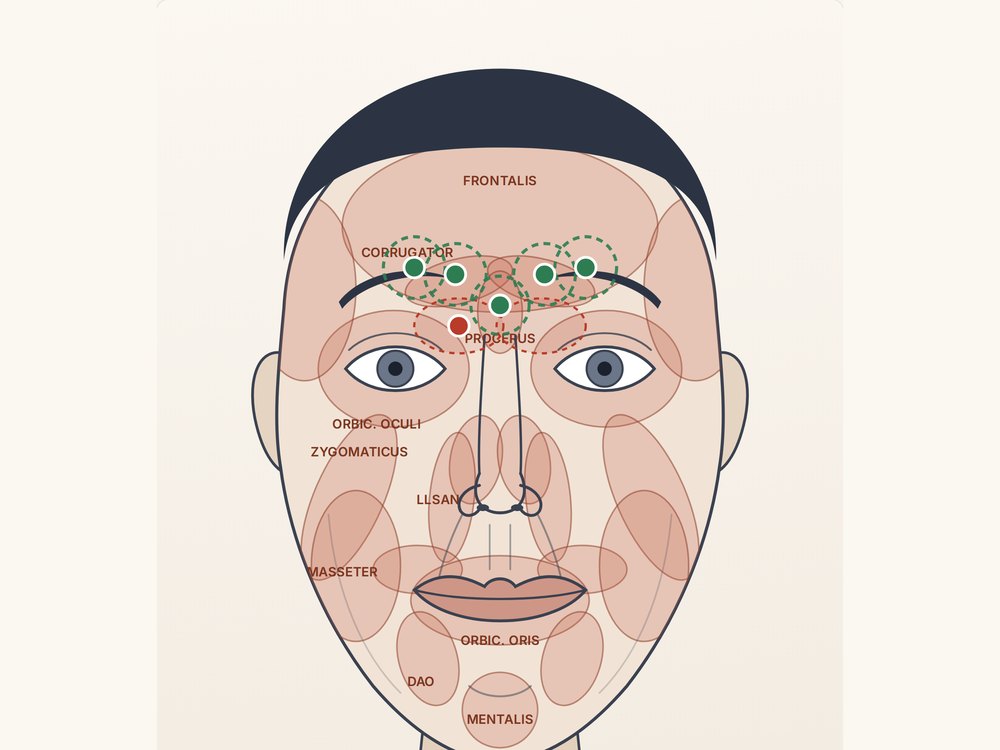
A measured face — orbital rim, brow line, canthi, gonial angle, all on a real one-centimetre grid — that you inject and that grades you back. Seven consultations, from the glabellar five-point to a chemical brow lift, where the answer is to treat everything except the muscle the client is pointing at. Every point is tested against the target zones, the hazard zones and the muscle map underneath, so a miss names what you hit and what it produces. The second half maps the filler danger zones against the arteries, ranked separately by blindness and by necrosis.

Medi-spa training · built from prescribing information and consensus literature

Read the Patient

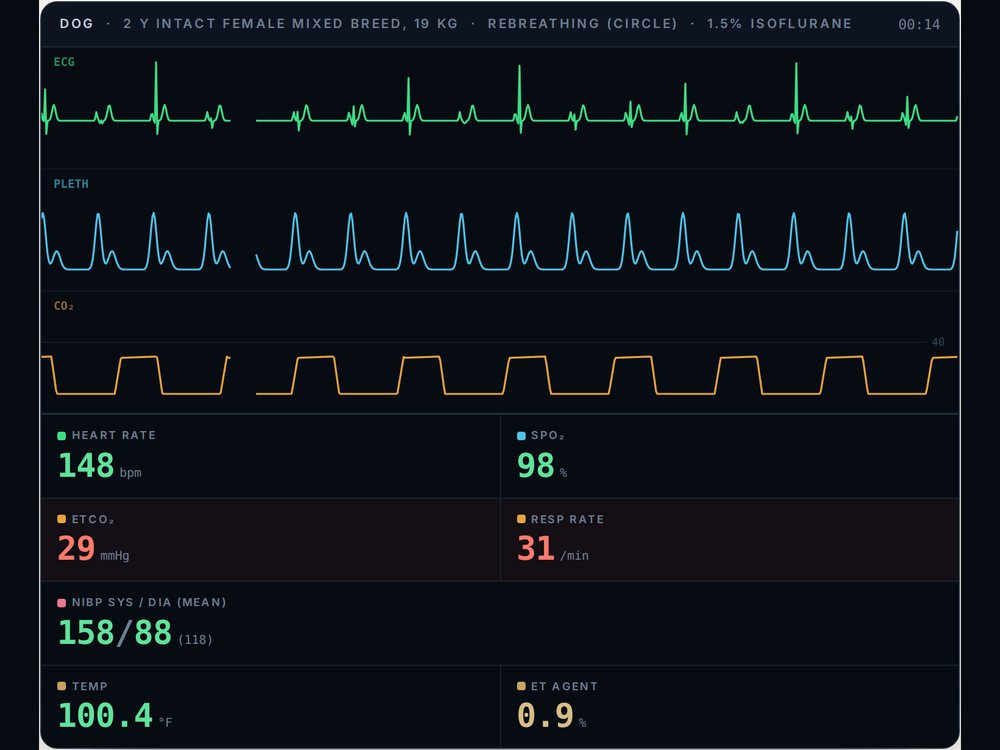
A running anaesthesia monitor — ECG, plethysmograph and capnogram synthesised from each patient's own rate and rhythm — plus a patient you have to physically examine before the page will let you answer. Eight cases across the traps that catch real technicians: the eyeball that means opposite things at opposite ends of the range, the painful patient at a perfectly adequate plane, the ketamine patient whose reflexes are pharmacologically frozen, and the dexmedetomidine bradycardia you must not treat.

Veterinary · built from ACVAA and AAHA guidance

Find the Fault

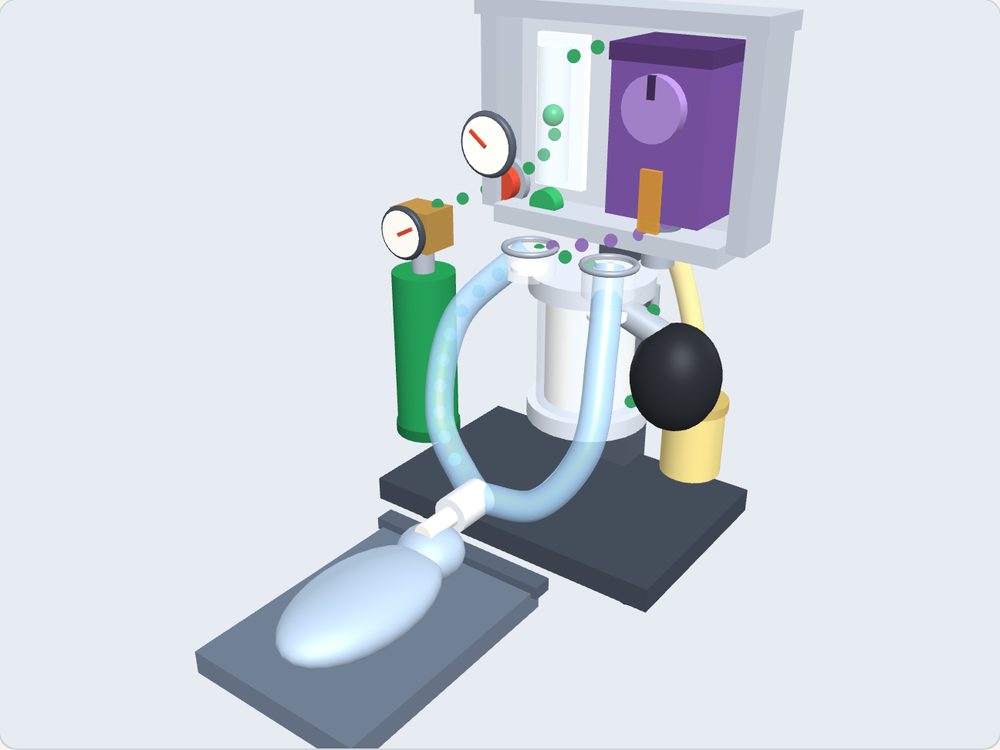
A small-animal anesthesia machine you orbit and take apart by clicking. Trace mode follows the oxygen from tank to patient and back through the absorbent; case mode hands you a patient with signs and a monitor that's already wrong, and asks where the circuit broke. Wrong answers explain what that part would have caused, so the miss teaches the differential.

Veterinary · from the floor

The Blacklight Test

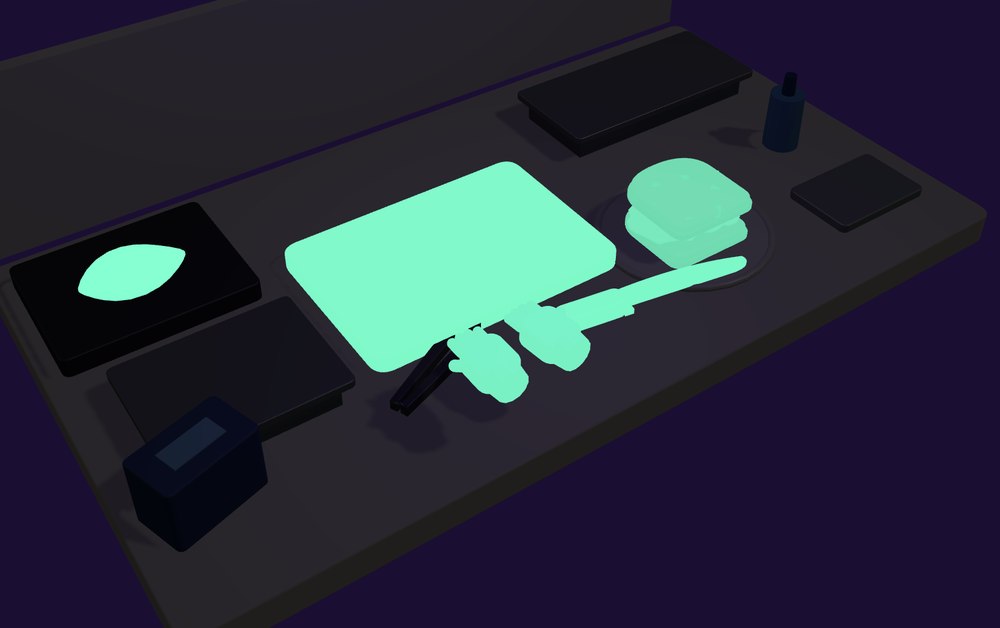
Cross-contact training where the hazard is invisible, so the simulation makes it visible — then names the smallest set of changes that would have saved the sandwich.

Food service · self-initiated

Build a Curtain Wall

Eight steps, a foreman mode that makes you call the order, and every part tappable. Opens on a phone at the job site.

Harmon · asked for by crews

The Window Unit

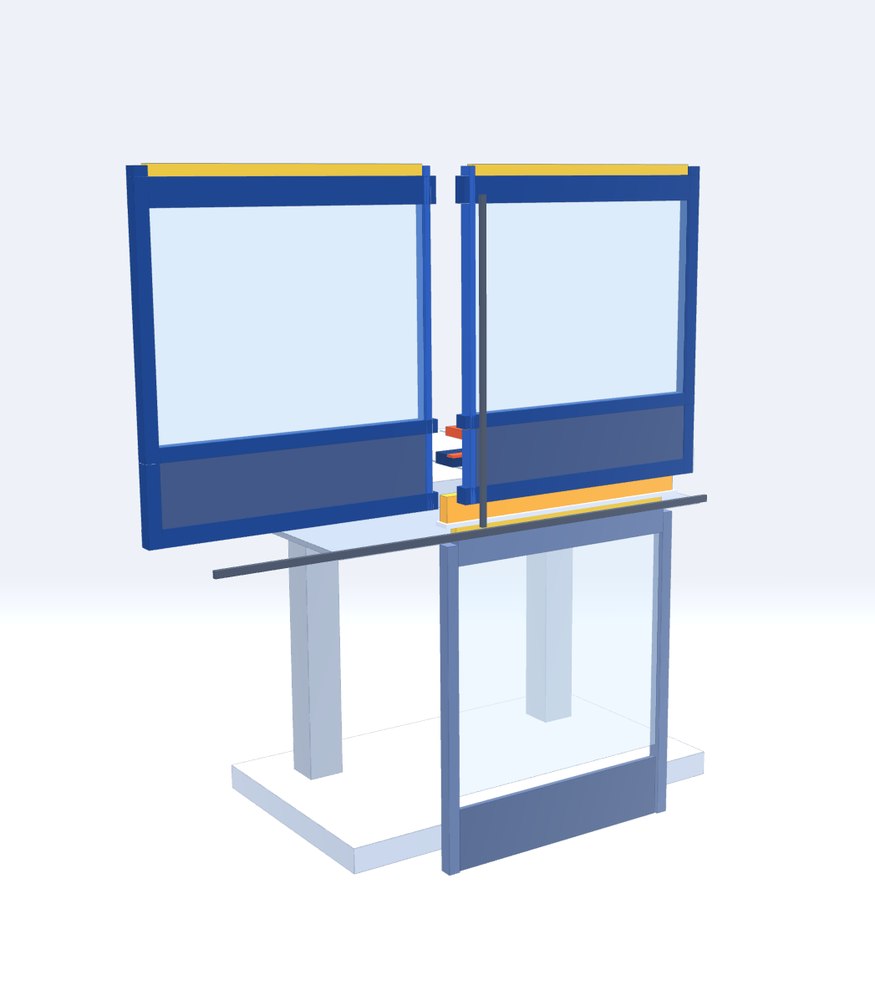
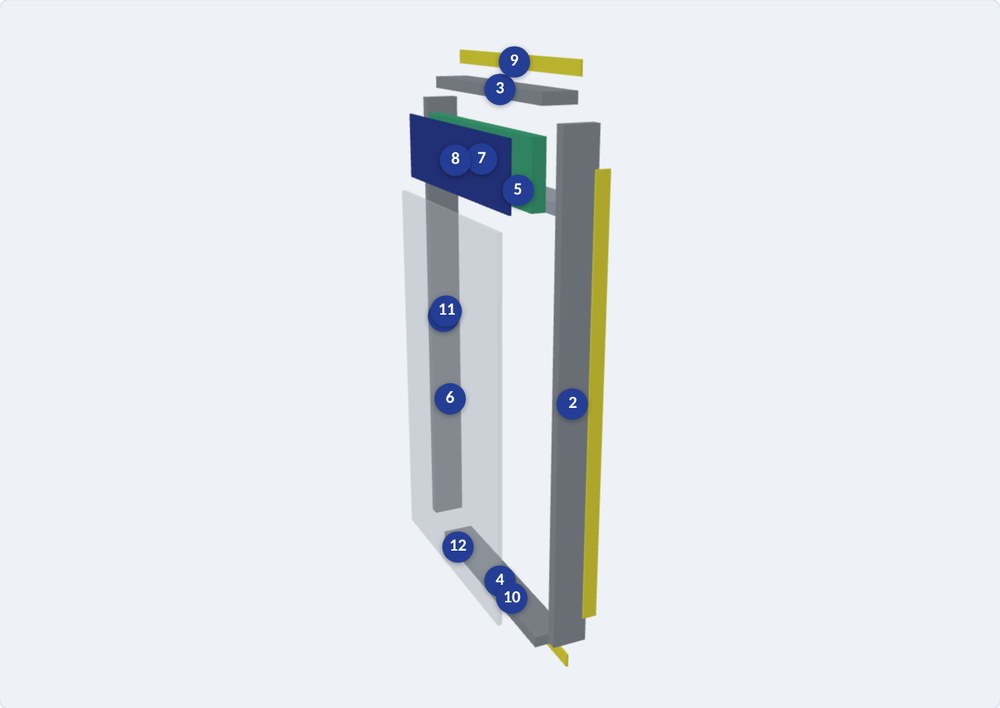
A unitized curtain wall unit in 3D — watch the build order run, drag it apart layer by layer, click any piece to name it. Pulled out of a larger training build as a standalone explorer.

Harmon · component study

A personal brand, brief to press

Five directions, six candidate lines, three layout rounds, one press-ready PDF — verified by scanning its own QR back out of the render.

One session
The mark spinning at the top of this page is the same geometry as the printed logo, extruded from its original path data — built in 40 minutes, without ever opening Blender.
Try it — live, right now

The Prompt Scaffolder

Most AI output disappoints because the prompt was thin. This builds a structured brief for common L&D artifacts — role, context, structure, quality bar, and the anti-patterns worth naming up front. Runs entirely in your browser. Nothing is sent anywhere.

Your prompt


Paste into Claude, ChatGPT, or Gemini. The structure matters more than the model — the same brief will lift output from any of them.